
60-Second Metal Detector Setup to Beat 80% of Beginners
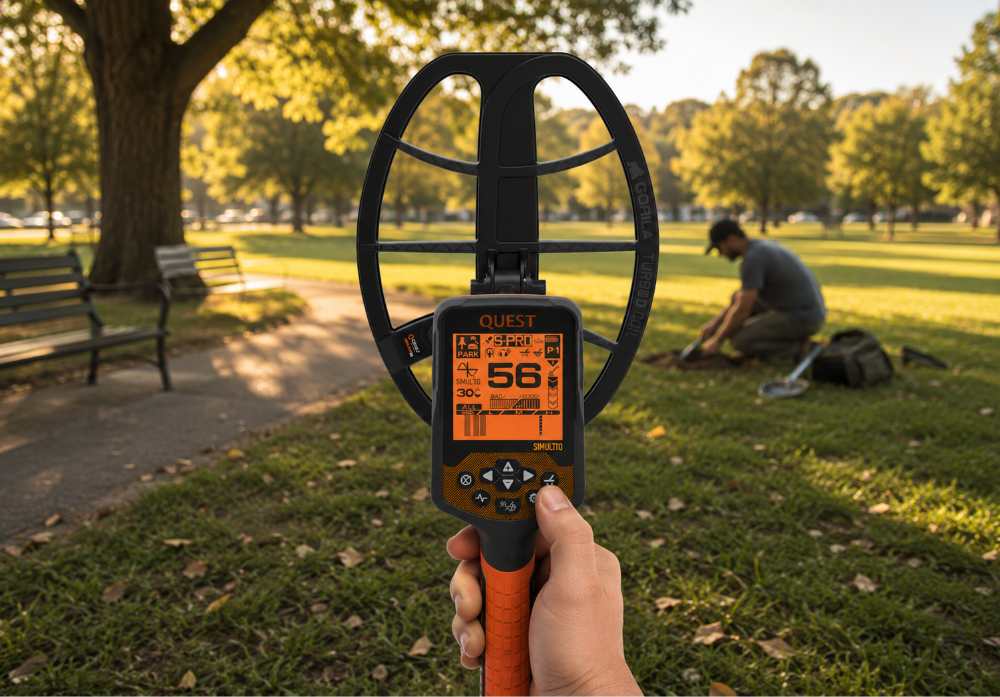
Most beginners activate their metal detector and immediately start searching without adjusting settings. They leave everything at default values, push sensitivity excessively high, or overlook crucial features like discrimination and recovery speed. This approach leads to excessive noise, instability, and confusing signals. The detector beeps at trash, misses worthwhile targets, and produces signals that seem incomprehensible. After several frustrating outings, many users assume the equipment is defective or inadequate. However, the issue typically involves improper setup rather than equipment quality.
Key Setup Steps
Sensitivity Adjustment
"Do not always run it at maximum. High sensitivity can make the detector unstable, especially on wet sand, mineralized soil, or trashy ground." Start at medium-high and gradually increase until the detector becomes unstable, then reduce by one or two steps.
Discrimination Settings
Configure discrimination to reject unwanted targets like small iron and nails. However, avoid setting it too aggressively, which could eliminate small jewelry, coins, or deeper targets.
Recovery Speed
In trashy areas, employ faster recovery speed to distinguish good targets from nearby junk. In cleaner ground, slower recovery speed improves depth and signal strength.
Ground Balance
"Do a quick ground balance if your detector supports it. This helps the machine adapt to the soil and reduces false signals." This proves especially beneficial on beaches, farmland, and mineralized soil.
Swing Technique
"Keep the coil low, level, and steady. Overlapping each sweep slightly gives the detector more time to read the ground."