
Newbie Detectorist Found 5th-Century Gold Pendants
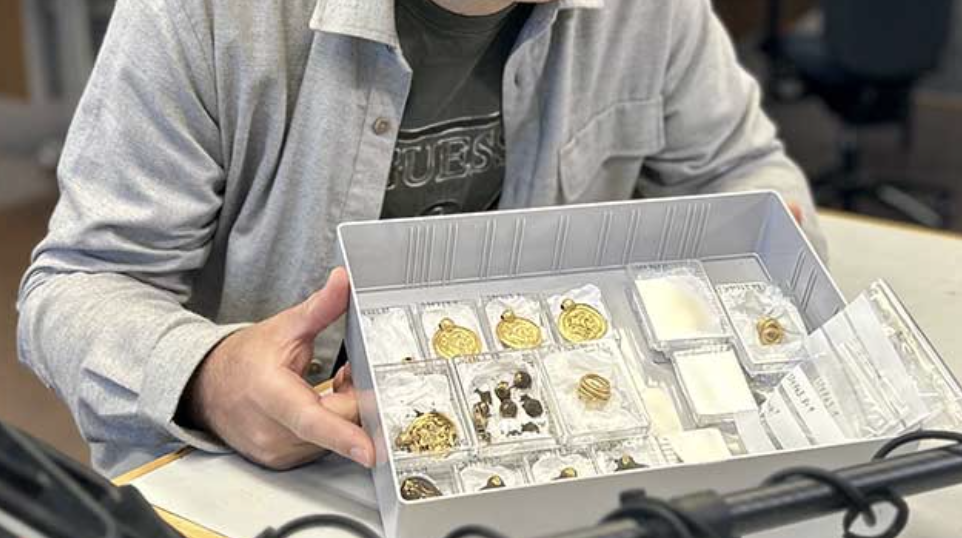
Erlend Bore purchased his first metal detector hoping to pursue a casual hobby and find loose change or scrap metal. For weeks, his expectations matched his results—nothing remarkable.
Then, while detecting on the island of Rennesøy, his equipment responded with an unusual signal.
The objects he excavated proved extraordinary: nine coin-shaped gold pendants decorated with a rare horse motif, ten gold beads, and three gold rings totaling just over 100 grams. Dating to approximately 1,500 years ago, the find prompted Ole Madsen, director of the Museum of Archaeology at the University of Stavanger, to call it "the find of the century in Norway."
The Bracteates' Significance
These pendants, known as bracteates, possess exceptional rarity. Most documented examples depict the god Odin healing his son Balder's wounded horse—a Migration Period symbol representing renewal and resurrection. The Rennesøy pendants differ notably: they show only the horse, with tongue protruding and legs twisted unnaturally, depicting injury and suffering. Yet this imagery carries layered meaning, symbolizing both hardship and hope during a transformative historical period.
The Discovery Protocol
Bore's most important actions occurred after finding the treasure. He marked the discovery location, ceased excavation, and promptly notified authorities. This disciplined approach enabled archaeologists to study an intact archaeological site and understand the artifacts' genuine historical context and meaning.